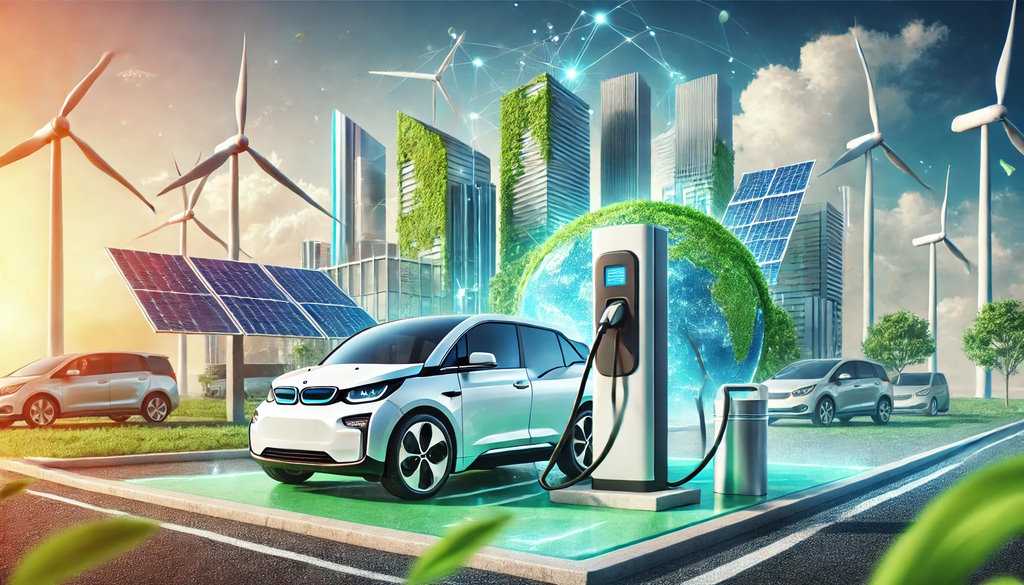
 Karlobag.eu / AI illustration
AI illustration — this image is not a real photograph and does not depict an actual event. What does AI illustration mean?
Global lithium shortage and challenges for the automotive sector
In today's world, as the automotive sector rapidly shifts to electric vehicles, it faces a serious problem: a global lithium shortage. This key material, used in the batteries of electric vehicles (EVs), has become the subject of great interest and strategic battles between car manufacturers and countries that possess rich lithium resources. The demand for lithium is rising faster than expected, and analyses indicate that by 2025 there could be significant shortages. Automakers, such as Ford and Volkswagen, have already taken steps to secure long-term contracts with lithium suppliers. Ford has signed contracts extending up to 11 years, while Volkswagen and Honda are working to reduce their need for newly mined minerals through recycling projects. Although global lithium production is projected to triple over this decade, the accelerated growth in electric vehicle sales threatens to outpace this production.
Geopolitical context and supply security
Recent global trends suggest that lithium is becoming increasingly important in geopolitical terms. The United States and China view the supply of this metal as a strategic issue. Countries like Canada, Chile, and Indonesia are seeking to maximize their lithium resources, often imposing strict conditions for extraction and processing. For example, Canada has ordered three Chinese companies to divest their investments in lithium mining for security reasons. These actions demonstrate how lithium is seen not just as an industrial material but also as a key factor in the global political game. In this situation, major automotive companies like General Motors are investing significant resources to ensure direct access to lithium. GM recently invested $650 million in a Canadian mining developer in Nevada, one of the largest lithium sources in the United States. These investments are crucial as they ensure a sufficient supply for a million vehicles annually, despite potential environmental controversies surrounding the development of these projects.
Impact on prices and the future of production
Estimates suggest that global demand for lithium could reach staggering figures, with projections indicating that by 2030, up to 3 million tons of lithium may be required annually, compared to current production forecasts hovering around 1.5 million tons. This creates significant pressure on supply chains, and analysts warn that insufficient investment in production could lead to shortages as early as 2025. Although a surplus of lithium-ion batteries is currently expected by 2028, the situation could change considering the rapid growth in electric vehicle sales, which surged by 55% last year. According to estimates, each electric car requires about eight kilograms of lithium, further increasing demand. In this context, the automotive sector must consider how to diversify its supply chains and reduce dependence on specific regions and countries. For instance, many manufacturers are now reassessing their procurement strategies to ensure stable supply routes that are resilient to external influences and geopolitical instability.
Environmental challenges and sustainability
The environmental aspects of lithium extraction are also a topic drawing attention. The lithium mining process requires large amounts of water and can have significant impacts on the environment, including potential contamination of groundwater. Activists and local communities are raising questions about the sustainability of such practices, and some U.S. and international organizations are calling for lithium resource development to proceed without harming the environment. In this regard, many companies are beginning to explore new extraction and recycling technologies to reduce their environmental footprint. To adapt to these challenges, automotive companies and governments are working on creating new rules and regulations to ensure that lithium production is sustainable and responsible. The EU, for example, plans to impose a requirement for importers to disclose the CO2 footprint of batteries sold in the market, which could encourage a greater focus on sustainability across the sector. Furthermore, the increasing emphasis on recycling and reusing materials indicates a need for innovations that will alleviate pressure on natural resources.
A look into the future
As the automotive industry continues to evolve with an emphasis on electrification, it is essential that all stakeholders—from car manufacturers to governments and consumers—collaborate in finding sustainable solutions to the challenges of lithium supply. To meet emissions reduction targets and ensure energy independence, it is crucial to understand all aspects of the lithium supply chain, including geopolitical, environmental, and economic factors shaping the future of this valuable resource. This entails not only securing the necessary materials but also considering how these materials are utilized, as well as the entire lifecycle of batteries.
Note: This content was prepared with the assistance of artificial intelligence tools. The content was editorially reviewed before publication.